What Is Luxury Vinyl Plank (LVP) Flooring?
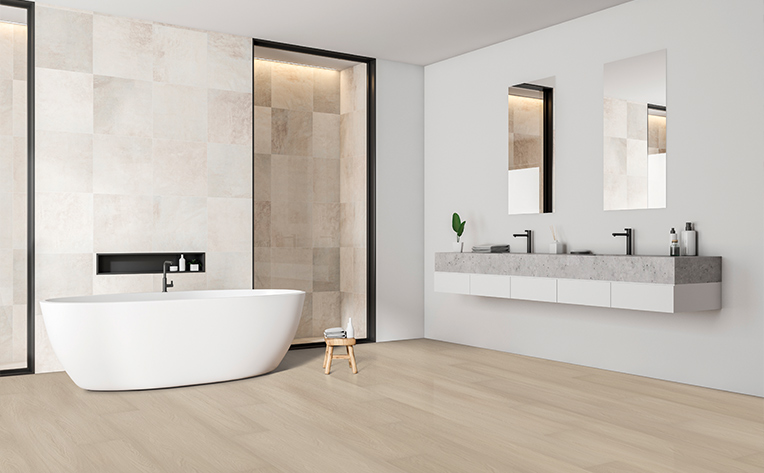
What Is LVP Flooring? Key Takeaways
Luxury vinyl plank flooring delivers the look of hardwood with excellent durability and moisture performance. Whether you're replacing flooring in a busy household or choosing something that works in moisture-prone spaces, here's what to know before you start.
LVP planks are water-resistant, and some are waterproof. However, a truly waterproof floor depends on the full system: waterproof backing, proper seam sealing, and correct installation.
The wear layer is the most important spec to compare. 12 mil or more is the standard for high-traffic areas, and a thicker wear layer is the single biggest factor in how long the floor holds up.
- LVP cannot be refinished like hardwood. When the wear layer is gone, the floor needs to be replaced rather than restored, so investing in quality upfront pays off over time.
- Professional installation is strongly recommended to protect your manufacturer warranty and ensure the subfloor, vapor barrier, and seams are handled correctly.
What is Luxury Vinyl Plank (LVP) Flooring?
Luxury vinyl plank (LVP) flooring is a versatile option that works well in many types of homes. It's known for its ability to mimic the look of hardwood or stone while standing up to everyday wear and tear.
LVP is made up of four layers: a backing layer, design layer, film layer, and a wear layer of aluminum oxide. This construction makes it durable and well-suited for everyday household use.
Unlike sheet vinyl, which comes in large rolls with a flexible bend, vinyl plank flooring is a thicker, more rigid solution. Long planks with a tongue and groove installation system give it a natural, wood-like appearance that holds up well over time.
Benefits of Vinyl Plank Flooring
Appearance
Today's LVP uses high-definition imaging technology to capture the details of wood and stone, including:
- Knots and mineral streaks
- Natural grain variation
- Differing plank lengths
Whether you're drawn to hickory, oak, maple, or cherry looks, today's vinyl planks capture the kind of detail and character that makes a floor feel intentional and well-chosen.
Durability and Water Resistance
LVP is built to handle real life. Key performance features include:
- Tough core materials like cork and limestone powder for stability
- Water-resistant construction that keeps spills on the surface
- Waterproof options that prevent moisture from reaching the subfloor
- Suitability for high-traffic areas like entryways, laundry rooms, and kitchens
Ease of maintenance and cleaning
Vinyl is one of the easier floors to maintain. A quick routine is all it takes:
- Vacuum regularly to remove dirt and debris
- Damp mop occasionally to keep the surface looking its best
How to Install Luxury Vinyl Plank Flooring
LVP can be installed over most plywood or concrete subfloors, as long as the surface is level, clean, and in good condition.
There are two primary installation methods, and the right choice depends on your subfloor, the room, and the specific product you're buying.
Floating Installation
Floating installation means the planks are not attached to the subfloor at all. Instead, they connect to each other and rest on top of the subfloor as a single continuous layer. The most common floating method is click-lock, where planks snap together along their edges without glue or nails. Floating floors are easier to replace if a plank is ever damaged, and they allow for natural expansion and contraction with temperature changes. This is the most common residential installation method.
Glue-Down Installation
Glue-down installation means the planks are adhered directly to the subfloor with adhesive. This creates a rigid, stable floor with less flex underfoot, which is often preferred in commercial settings or in rooms where heavy furniture and appliances are a factor. Glue-down installations require more subfloor prep and are more involved to replace, so it's a commitment worth discussing with your installer before choosing.
Choosing a Plank Direction
One decision worth thinking through before installation day is the direction your planks will run. This choice has a real impact on how the room looks and feels.
- Running planks lengthwise with the room is the most common approach. It creates a natural flow and tends to make a room feel longer and more open.
- Running planks across the width of the room can make a narrow space feel wider, which works well in hallways or elongated rooms where you want to visually balance the proportions.
- Installing planks diagonally creates a more dynamic, design-forward look. It works especially well in open floor plans or larger rooms where you want to add visual interest. Keep in mind that diagonal installation typically requires more material to account for cuts at the edges.
The right direction depends on your room's dimensions, how natural light moves through the space, and the overall look you're going for.
Still deciding on the perfect floor? Let us bring the showroom to you!
Choosing the right flooring is a sensory experience, one you can't get through a screen. That’s why we invite you to select up to six free samples and see for yourself how they transform your space. Feel the texture under your feet, see how the color complements your decor, and watch how it interacts with the light throughout the day.
Make your decision with total confidence. Order your free samples today and take the first step toward the home you've always envisioned.
FAQs about LVP Flooring
What are the advantages of vinyl plank flooring?
LVP brings together the look of hardwood with performance built for real life:
- Water-resistant construction, with many waterproof options available
- Highly durable and resistant to scratches and dents
- Works well in households with kids, pets, or high foot traffic
- Installs over most existing subfloors without major prep
- Easy to maintain with regular sweeping and occasional damp mopping
- Available in a wide range of wood looks, plank sizes, and finishes
Explore types of vinyl flooring to see how the options compare.
What are the disadvantages of vinyl plank flooring?
LVP has a few limitations worth knowing before you buy:
- It cannot be sanded or refinished. Once the wear layer is gone, the floor needs to be replaced rather than restored.
- Some products can show indentation under heavy or pointed furniture legs over time. Felt pads are recommended.
- LVP is a synthetic material, which may not appeal to buyers seeking natural or environmentally sourced flooring.
- While comfortable underfoot, it has different warmth and acoustic properties than solid hardwood. A quality underlayment can help with both.
What is the most realistic looking luxury vinyl plank?
The best LVP products use high-definition imaging to capture grain variation, knots, and mineral streaks, with texture embossed into the surface so the visual and tactile layers align. A few things contribute to a more natural look:
- Wider planks and varied lengths within a single box
- Low-gloss finishes that reduce repetition
- Thicker wear layers that support deeper embossing and hold surface detail longer
Your local store can show you current products side by side so you can evaluate them in person before you decide. See our vinyl flooring options to browse what's available.
Explore our Luxury Vinyl Options Today!
Is vinyl plank flooring truly waterproof?
It depends on the specific product. Most LVP planks are water-resistant, meaning spills and moisture sit on the surface rather than soaking in. Some products are rated fully waterproof at the plank level. However, a waterproof plank alone does not guarantee a waterproof floor. Moisture can still reach the subfloor through unsealed seams or gaps if installation is not done correctly. A truly waterproof floor system requires:
- Waterproof-rated backing
- Properly sealed seams
- Correct installation technique
For spaces like bathrooms, laundry rooms, or basements where moisture is ongoing, ask your local store specifically about waterproof vinyl plank options and what installation method is right for your subfloor.
Do high-end homes use vinyl plank flooring?
Yes. Today's premium LVP products are used in high-end renovations and new construction alike. Improvements in HD imaging, surface embossing, and plank construction have raised the quality bar significantly. It's also a practical choice for spaces where installing wood is not feasible, such as:
- Basements
- Rooms with radiant heat
- Areas prone to humidity
Can you put a refrigerator on top of vinyl plank flooring?
Yes, but with some precautions:
Use appliance feet protectors or a thin protective mat to distribute weight and prevent indentation
- Avoid dragging the refrigerator directly across the floor when moving it
- Use an appliance dolly or lay down a protective board to prevent tearing or gouging the wear layer
- Check the manufacturer warranty for any weight or appliance-specific guidance, as coverage can vary by product
The Right Floor Makes All the Difference
Luxury vinyl plank flooring is a smart, versatile choice for nearly any home. Whether you're prioritizing durability, moisture performance, or design, LVP delivers on all of it without compromising on style.
Ready to find your perfect floor? Start by bringing the options home! Choose up to 6 samples of your favorite LVP products and see exactly how they look and feel in your space before you commit. It's the easiest way to shop for floors and the best way to make a decision you'll feel good about for years to come. Order your free samples today!
Order your Free Samples Today!